

The Limits and Systemic Barriers Facing Foreign Trade Entrepreneurs: From Customs to Logistics and Corporate Image Problems
Although foreign trade entrepreneurship is one of the most critical economic mechanisms for raising a country's export performance and bringing domestic value added back home, the entrepreneurs who carry out this activity face numerous systemic barriers at global and local levels. Public incentives can only have a multiplier effect on these entrepreneurs if the barriers in the field are correctly identified and analysed. Pioneering empirical studies of actual foreign trade entrepreneurs by Ahmet Yağmur Ersoy and Metin Saygılı classify the barriers and problems entrepreneurs face along several dimensions.
The research identified the following as the biggest systemic barriers preventing foreign trade entrepreneurs from achieving sustainable competitiveness in global markets:
- Customs Tariffs and Non-Tariff Barriers: High customs duties, additional financial obligations and non-tariff technical barriers imposed by target countries to protect their domestic producers make it harder for entrepreneurs to gain market share.
- Market Entry and Regulatory Difficulties: Sudden changes in the import regulations of export markets, complex customs procedures and certification requirements increase firms' operating costs.
- Insecurity and Legal Risks in International Trade: The risk that counterparties fail to meet payment obligations in cross-border transactions, the complexity of international arbitration and mistrust between trading partners leave SME-scale entrepreneurs in particular financially vulnerable.
- Fierce Global Competition: Price pressure from countries with low labour and production costs (for example, Far Eastern producers) and the market dominance of global oligopolies squeeze domestic entrepreneurs' profitability ratios.
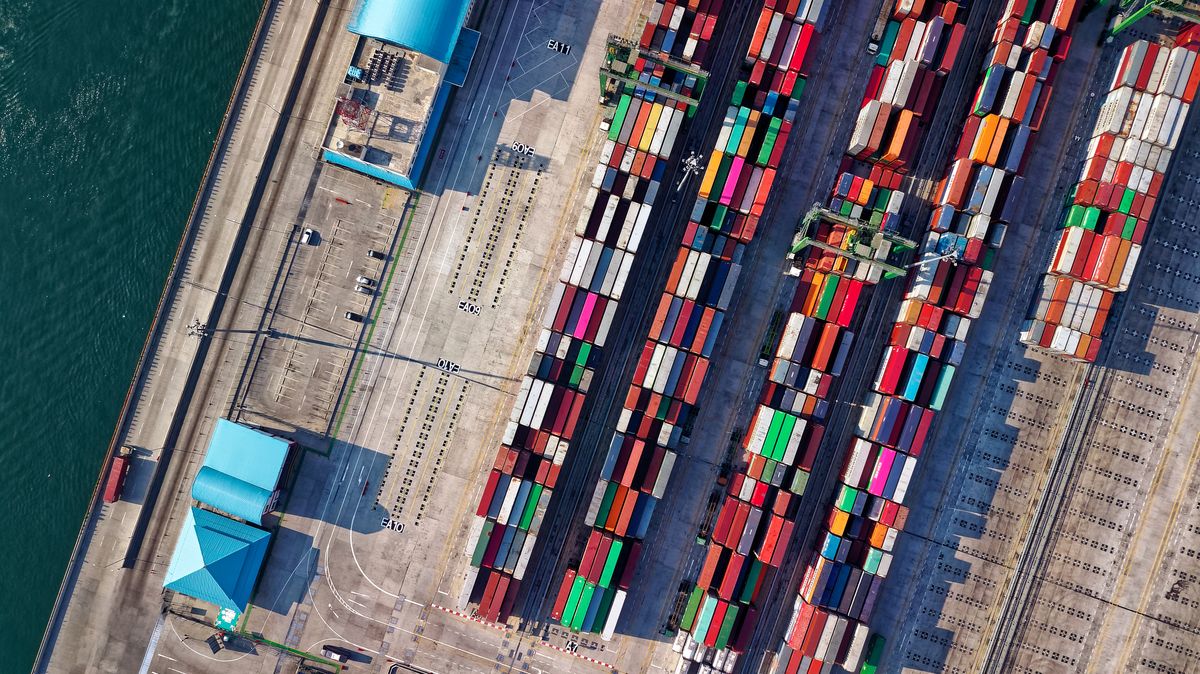
- Complex Logistics and Transport Challenges: Disruptions in global supply chains, fluctuating freight rates, delays at border crossings and inadequate logistics infrastructure directly affect delivery times and product quality.
- Legal Restrictions and Bureaucracy: Export bureaucracy in the home country, as well as import bans and quotas in target countries, slow down the flow of trade.
- Corporate and National Image Problems: Prejudices about the quality of products from developing countries in global markets and a lack of corporate branding prevent products from being sold at the value added they deserve.
The existence of these barriers provides empirical evidence for why the public incentive system needs a paradigm shift. Providing entrepreneurs with cash export support alone is not enough to overcome customs problems at border crossings, logistical bottlenecks or image and trust barriers in target markets. It is therefore vital that new-generation export support be given an integrated structure that raises market literacy, secures logistics corridors, strengthens international diplomatic and economic cooperation and supports the global image of domestic products.