

The East Marmara (TR42) Region: The Export Power of Türkiye's Industrial Hinterland and the Field Research Methodology
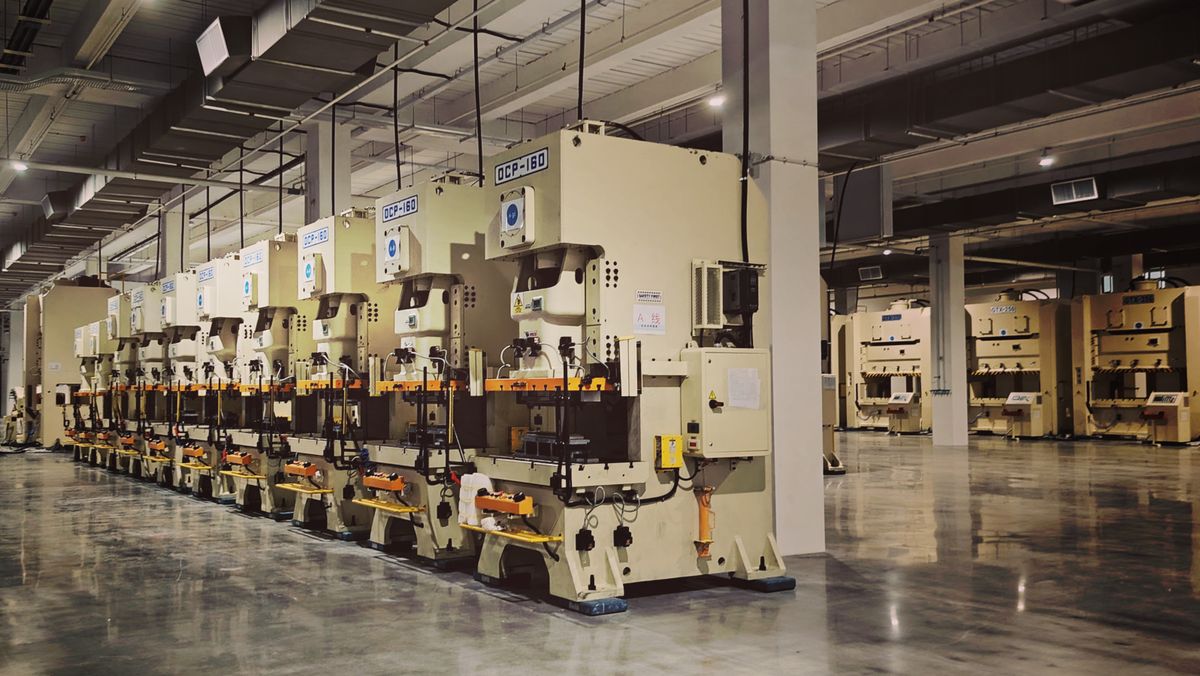
Regional industrial clusters and Development Agencies play a vital role in implementing, at the local level, the export-led growth targets set out in the Eleventh and Twelfth Development Plans. Among the 26 Development Agencies operating under the coordination of the Ministry of Industry and Technology, TR42, the operating region of the East Marmara Development Agency (MARKA), forms the backbone of the Turkish economy with its production, logistics and foreign trade capacity.
The TR42 Development Region covers five provinces: Kocaeli, Sakarya, Bolu, Düzce and Yalova. Its proximity to Istanbul, its position on national and international road and rail corridors and its strong port infrastructure have made the region a unique base for production and foreign direct investment. Kocaeli ranks 4th and Sakarya 7th in Türkiye by export volume, confirming this strength. The TR42 region is a strategic industrial hinterland that carries much of Istanbul's heavy industrial load.
In this research, supported under the TÜBİTAK 3005 programme, a rigorous mixed-methods design (an integrated design combining qualitative and quantitative processes) was applied to analyse the actual situation of foreign trade entrepreneurs in the TR42 region. According to 2023 records of the Turkish Exporters Assembly (TİM), 3,609 firms actively export from the region. To represent this population as accurately and evenly as possible, "quota sampling", a non-probability sampling method, was chosen.
Based on the calculated statistical confidence limits, the minimum sample size was set at 192 firms, and quotas were allocated according to each province's share of exporters in the population:
- Kocaeli: 126 firms (65.5% of the population)
- Sakarya: 38 firms (20% of the population)
- Düzce: 12 firms (6.2% of the population)
- Yalova: 10 firms (5.1% of the population)
- Bolu: 6 firms (3.2% of the population)
Quantitative data were collected face to face from these 192 exporting firms using a survey. In the qualitative strand, an "Explanatory Sequential Design" was used to explain the quantitative findings in depth: semi-structured interviews were conducted with a total of 25 foreign trade entrepreneurs and managers, five from each province. This richness of data gives the set of recommendations the research will present to policymakers a solid scientific foundation.